{"data-model-common":[{"name":"lang", "value":"en"}
,{"name":"detail-page-free", "type":"replicant", "value":
[
]}
,{"name":"programmeDescription", "type":"text", "value":"<div style="text-align: justify;">
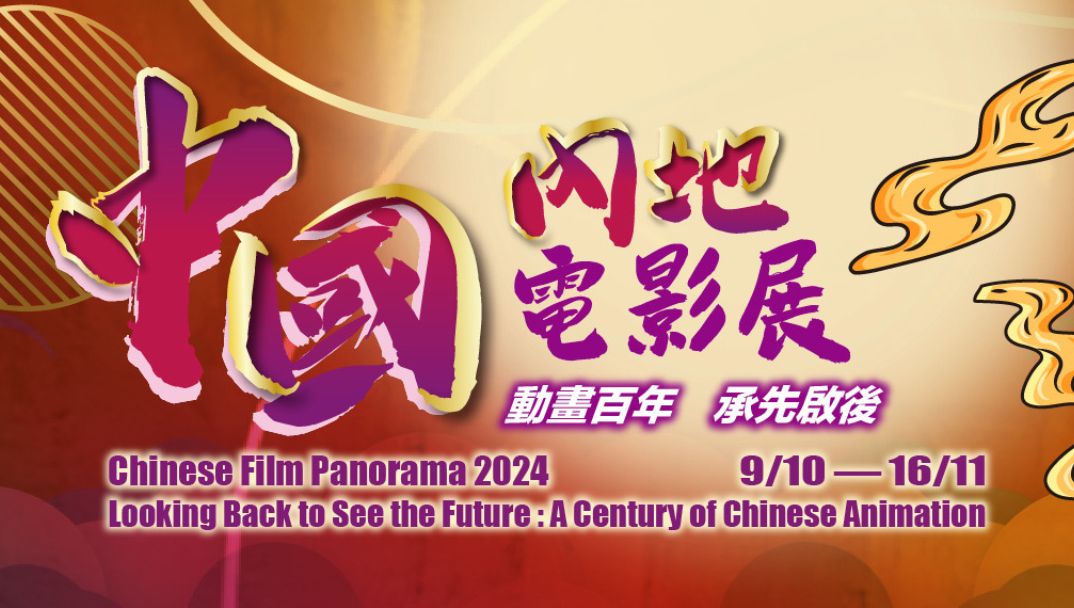
<p><span style="font-size: 14pt;">As we celebrate the 75th anniversary of the founding of the People’s Republic of China, this year’s Chinese Film Panorama takes the theme of “Looking Back to See the Future: A Century of Chinese Animation” to present ten feature-length Chinese animated masterpieces and two short film collections. It is not only a good way to look back at the past; it is also a preview of the future.<br /><br /></span><span style="font-size: 14pt;">We cannot talk about Chinese animation without mentioning the Wan brothers from Shanghai: Laiming, Guchan, Chaochen and Dihuan. Laiming, the eldest brother, has been dubbed the Father of Chinese Animation. The brothers began producing animation in Shanghai in 1925 and produced the very first Chinese animated film in 1926 with <em>Uproar in the Studio</em>. A film that combined live-action and cartoon characters, the film was hugely popular and released before Mickey Mouse reached Chinese shores. When the Wan brothers saw Disney’s first colour animated feature film, <em>Snow White and the Seven Dwarfs</em>, years later, they were inspired to make a feature animation of their own, leading to the production of <em>Princess Iron Fan</em>, Asia’s first feature-length animated film.<br /><br /></span><span style="font-size: 14pt;">This year’s retrospective features many exciting works produced by Shanghai Animation Film Studio between the 1950s and 1980s. They include Jin Xi’s stop-motion wooden puppetry films <em>The Magic Brush</em> and <em>Peacock Princess</em>; studio head Te Wei’s first ink animation <em>Baby Tadpoles Look for Their Mother</em>, as well as later works <em>The Cowherd’s Flute</em> and <em>Feeling from Mountain and Water</em>; and paper-cut art animation <em>Monkeys Fish the Moon</em>. Directed and written by Wan Laiming, <em>The Monkey King: Uproar in Heaven</em> is not only the studio’s first feature film, but also one of the most important films in the history of Chinese animation. Based on <em>Journey to The West</em>, the film employed innovative technology and nearly a total of 200 different colours. The version screened in this retrospective combines both parts into a single screening. Directed by Wang Shuchen, Yan Dingxian and Xu Jingda, <em>Nezha Conquers the Dragon King</em> was the first feature-length Chinese colour animated film to be produced in widescreen as well as the commemorative film of the People’s Republic of China’s 30th anniversary. Wang later also directed <em>Legend of Sealed Book</em>, another feature-length Chinese animation masterpiece that was praised for its fantastical story and outstanding visual design.<br /><br /></span><span style="font-size: 14pt;">After decades of development, Chinese animation has found its unique creative style. Films of recent years have made use of the latest animation technology, and imagination-filled Chinese mythologies have become the perfect medium to use them. As a result, we have selected several outstanding contemporary films with distinctive styles, content and techniques. They include <em>The Storm</em>, <em>To the Bright Side</em>, <em>Boonie Bears: Time Twist</em>, <em>Chang An</em> and the brand-new <em>Into the Mortal World</em>. Through these films, we hope audiences will have a deeper understanding of how Chinese animation developed from a blank slate into the rich world that it is today. In turn, we hope they can also appreciate the innovations and progress that have been made in the past century.<br /><br /></span><span style="font-size: 14pt;">The programme is also one of the activities in the Chinese Culture Promotion Series. The LCSD has all along promoted Chinese history and culture through organising an array of programmes and activities to enable the public learn more about broad and profound Chinese culture. For more information, please visit </span><a href="https://www.lcsd.gov.hk/en/ccpo/index.html" style="font-size: 14pt;">www.lcsd.gov.hk/en/ccpo/index.html</a><span style="font-size: 14pt;">. </span></p>
</div>
<div style="text-align: justify;"><span style="font-size: 14pt;"><br /><br /><a href="https://www.lcsd.gov.hk/fp/cms/wp-content/uploads/2024/09/Chinese-Film-Panorama-2024_Screening-Schedule.pdf">Click here to view screening schedule</a><br /><br /></span></div>
"}]}
Not Applicable不適用不适用
As we celebrate the 75th anniversary of the founding of the People’s Republic of China, this year’s Chinese Film Panorama takes the theme of “Looking Back to See the Future: A Century of Chinese Animation” to present ten feature-length Chinese animated masterpieces and two short film collections. It is not only a good way to look back at the past; it is also a preview of the future.
We cannot talk about Chinese animation without mentioning the Wan brothers from Shanghai: Laiming, Guchan, Chaochen and Dihuan. Laiming, the eldest brother, has been dubbed the Father of Chinese Animation. The brothers began producing animation in Shanghai in 1925 and produced the very first Chinese animated film in 1926 with Uproar in the Studio. A film that combined live-action and cartoon characters, the film was hugely popular and released before Mickey Mouse reached Chinese shores. When the Wan brothers saw Disney’s first colour animated feature film, Snow White and the Seven Dwarfs, years later, they were inspired to make a feature animation of their own, leading to the production of Princess Iron Fan, Asia’s first feature-length animated film.
This year’s retrospective features many exciting works produced by Shanghai Animation Film Studio between the 1950s and 1980s. They include Jin Xi’s stop-motion wooden puppetry films The Magic Brush and Peacock Princess; studio head Te Wei’s first ink animation Baby Tadpoles Look for Their Mother, as well as later works The Cowherd’s Flute and Feeling from Mountain and Water; and paper-cut art animation Monkeys Fish the Moon. Directed and written by Wan Laiming, The Monkey King: Uproar in Heaven is not only the studio’s first feature film, but also one of the most important films in the history of Chinese animation. Based on Journey to The West, the film employed innovative technology and nearly a total of 200 different colours. The version screened in this retrospective combines both parts into a single screening. Directed by Wang Shuchen, Yan Dingxian and Xu Jingda, Nezha Conquers the Dragon King was the first feature-length Chinese colour animated film to be produced in widescreen as well as the commemorative film of the People’s Republic of China’s 30th anniversary. Wang later also directed Legend of Sealed Book, another feature-length Chinese animation masterpiece that was praised for its fantastical story and outstanding visual design.
After decades of development, Chinese animation has found its unique creative style. Films of recent years have made use of the latest animation technology, and imagination-filled Chinese mythologies have become the perfect medium to use them. As a result, we have selected several outstanding contemporary films with distinctive styles, content and techniques. They include The Storm, To the Bright Side, Boonie Bears: Time Twist, Chang An and the brand-new Into the Mortal World. Through these films, we hope audiences will have a deeper understanding of how Chinese animation developed from a blank slate into the rich world that it is today. In turn, we hope they can also appreciate the innovations and progress that have been made in the past century.
The programme is also one of the activities in the Chinese Culture Promotion Series. The LCSD has all along promoted Chinese history and culture through organising an array of programmes and activities to enable the public learn more about broad and profound Chinese culture. For more information, please visit www.lcsd.gov.hk/en/ccpo/index.html.